
Cybersecurity Services Ohio 2026: The Cyber Resilience Playbook

Cybersecurity Services Ohio 2026: The Cyber Resilience Playbook

Ohio’s cybersecurity world has changed with House Bill 96 (ORC § 9.64). The bill now requires all political subdivisions to set up formal cybersecurity programs. The deadlines are clear – counties and cities must have their programs ready by January 1, 2026, while other groups have until July 1, 2026. This law marks a turning point in how Ohio’s organizations handle their digital security.

These rules aren’t just paperwork – they’re a direct response to growing threats. The law calls for detailed programs that cover risk identification, threat detection, incident response, and staff security training. On top of that, organizations hit by ransomware can’t pay attackers without getting formal approval from legislators. This shows how seriously these threats are taken now.

Real-life examples show why we need these measures. Huber Heights city still faces a state of emergency after a cyberattack crippled their government systems two months ago. Columbus fell victim to ransomware that exposed 500,000 residents’ personal data. Cleveland’s City Hall operations came to a complete stop when attackers struck.

Ohio’s Data Breach Notification Law requires businesses to alert affected people within 45 days after they find a breach. Any business that fails to follow these rules could face fines up to $10,000 each day.

With these new rules and real threats, you can’t wait to protect yourself. Book a Free IT & Cyber Health Assessment to see if your organization is ready before these deadlines hit.

From Defense to Resilience — What Modern Cybersecurity Really Means
cyber 1

Image Source: The Knowledge Academy

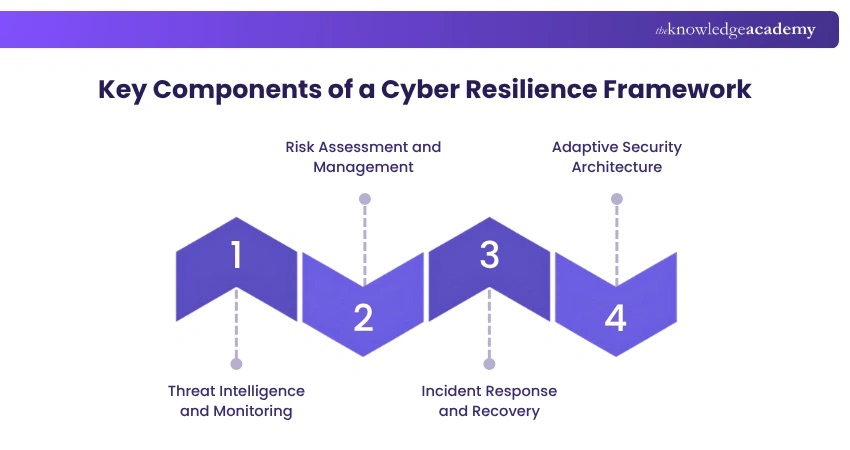
Cybersecurity services Ohio, and Modern cybersecurity has evolved by a lot beyond traditional defensive measures. The focus has changed from prevention alone to embracing cyber resilience. This means organizations now know how to reduce cyber incidents’ effects on their main business goals.

So, cyber resilience accepts what security experts have known for years – no system can be completely secure. Instead of just building walls to block attackers, resilient organizations get ready for inevitable breaches. They develop ways to withstand, recover from, and adapt to cyber events.

Many Ohio organizations use the National Institute of Standards and Technology (NIST) Cybersecurity Framework when they start their cyber security trip. The framework has six core functions: Govern, Identify, Protect, Detect, Respond, and Recover. These functions create a complete approach that goes far beyond preventive controls.

Cyber resilience needs organizations to:

  • Plan for incidents by understanding potential threats
  • Create processes that help them recover quickly
  • Use information governance practices to limit data breach damage
  • Keep learning and adapt based on incidents that affect them and their peers

Ohio businesses should remember that cyber resilience isn’t just about technology. It covers leadership, governance, people, culture, business processes, technical systems, crisis management, and ecosystem participation. This model helps organizations keep running during disruptions and protects their long-term success.

The 2026 Cyber Resilience Playbook — Four Strategic Moves for Cybersecurity Services Ohio

Ohio organizations need a practical roadmap to build cyber resilience as 2026 compliance deadlines draw closer. Your cyber resilience playbook should include these four strategic moves based on frameworks like NIST and CIS Controls:

First, reinforce your identity foundation with Zero Trust principles. Traditional security boundaries no longer exist, which means organizations must verify every user and device that tries to access resources. Your risk of getting hacked drops by 99% when you implement multi-factor authentication (MFA). Microsoft Entra ID or similar identity systems should serve as your control plane to block legacy authentication methods that hackers often exploit.

Second, train and test through simulations. Stakeholders learn to respond better to various threat scenarios through regular tabletop exercises. Your phishing simulations must build “that small chain” of decisions – threat identification, click prevention, and suspicious activity reporting. Teams should learn from these regular exercises to improve future training sessions.

Third, protect the IT/OT integration. Network segmentation and strong access controls become crucial as operational technology connects with information systems. This integration optimizes operations but also creates more attack points. Industrial environments need specific risk assessments for OT systems where safety and reliability matter most.

Finally, implement meaningful metrics when it comes to cybersecurity services Ohio to track resilience. Key indicators include Mean Time to Detect (MTTD), Mean Time to Respond (MTTR), and phishing simulation success rates. These measurements help you showcase cybersecurity health to stakeholders and prove return on investment.

Let’s Secure Your Future with CTMS IT by putting these four strategic moves into action for complete cyber resilience.

Conclusion

When it comes to cybersecurity services Ohio, Ohio organizations stand at a turning point with 2026 regulatory deadlines approaching. House Bill 96 requires formal cybersecurity programs in political subdivisions of all sizes. This represents a transformation in how businesses must protect their digital assets. The consequences will get pricey for those who wait until the last minute, especially given how recent cyberattacks have damaged cities like Huber Heights, Columbus, and Cleveland.

Organizations can no longer rely on traditional defensive approaches in today’s evolving threat landscape. Cyber resilience has become the new foundation, recognizing that breaches will happen while preparing organizations to withstand, recover, and adapt. The NIST Cybersecurity Framework offers strong foundations through its six core functions that go beyond simple preventative controls.

Our playbook outlines four strategic moves to build genuine resilience. Zero trust principles must strengthen identity systems, making MFA implementation vital. On top of that, teams need regular training simulations to practice threat response and build muscle memory for real incidents. Protecting IT/OT integration safeguards vulnerable operational systems. Clear metrics help leadership track progress and show cybersecurity ROI.

Time is your most valuable asset in building cyber resilience. The 2026 deadlines might seem far away, but detailed programs need careful implementation rather than rushed compliance. Organizations that start this experience now will gain competitive advantages, while delays risk major operational, financial, and reputational damage.

We know the challenges Ohio organizations face with these upcoming requirements. Expert cybersecurity professionals can help turn compliance requirements into strategic benefits during this crucial transition period. Book your Free IT & Cyber Health Assessment today to find how we can help protect your organization’s future against sophisticated threats.

Key Takeaways

Ohio organizations must act now to meet 2026 cybersecurity compliance deadlines while building genuine resilience against evolving threats.

• Compliance is mandatory: Ohio’s House Bill 96 requires all political subdivisions to establish formal cybersecurity programs by January-July 2026, with severe penalties for non-compliance.

• Shift from defense to resilience: Modern cybersecurity focuses on withstanding and recovering from inevitable breaches rather than just preventing them through traditional defensive measures.

• Implement Zero Trust foundations: Deploy multi-factor authentication and identity controls immediately—MFA alone makes organizations 99% less likely to be hacked.

• Train through realistic simulations: Conduct regular phishing simulations and tabletop exercises to build organizational muscle memory for threat response scenarios.

• Measure what matters: Track meaningful metrics like Mean Time to Detect and Mean Time to Respond to demonstrate cybersecurity ROI and program effectiveness.

The recent cyberattacks on Ohio cities like Columbus, Cleveland, and Huber Heights demonstrate that waiting until deadlines approach is a costly gamble. Organizations that begin building comprehensive cyber resilience programs now will gain competitive advantages while protecting against increasingly sophisticated threats targeting critical infrastructure and sensitive data. One last CTA for you to reach out to the Experts for: Cybersecurity Services Ohio!

FAQs

Q1. What are the key components of cyber resilience? Cyber resilience encompasses four main pillars: anticipation of potential threats, the ability to withstand attacks, swift recovery from incidents, and continuous adaptation based on lessons learned. These components work together to create a comprehensive approach that goes beyond traditional defensive measures.

Q2. What is the deadline for Ohio organizations to implement cybersecurity programs? Under House Bill 96, counties and cities in Ohio must implement formal cybersecurity programs by January 1, 2026. Other political subdivisions have until July 1, 2026 to comply with these new requirements.

Q3. How does the NIST Cybersecurity Framework support cyber resilience? The NIST Cybersecurity Framework provides a foundation for cyber resilience through six core functions: Govern, Identify, Protect, Detect, Respond, and Recover. This comprehensive approach helps organizations build a robust security posture that extends beyond just preventive controls.

Q4. What is the importance of multi-factor authentication (MFA) in cybersecurity? Implementing multi-factor authentication is crucial for strengthening an organization’s security. MFA makes an organization 99% less likely to be hacked, serving as a fundamental component of a Zero Trust security model that verifies every user and device attempting to access resources.

Q5. How can organizations measure their cybersecurity effectiveness? Organizations can track meaningful metrics to measure their cybersecurity effectiveness. Key indicators include Mean Time to Detect (MTTD), Mean Time to Respond (MTTR), and success rates of phishing simulations. These metrics help communicate cybersecurity health to stakeholders and demonstrate return on investment in security measures. Contact us now to up your game for: Cybersecurity Services Ohio

Q6. How do cybersecurity services Ohio help car dealerships stay compliant? Ohio dealerships handle large volumes of customer data, eTitles, and financial transactions — all of which are subject to strict state and federal compliance standards.
Partnering with a managed provider like CTMS IT ensures your dealership meets Ohio’s evolving data security and dealership compliance requirements by:

  • Implementing secure user access controls and audit trails within your DMS systems.
  • Protecting customer information under FTC Safeguards Rule and state data privacy laws.
  • Providing 24/7 monitoring and proactive threat detection to maintain uptime and prevent data breaches.

Learn more about dealership-specific compliance strategies at our Dealership Compliance page and see how cybersecurity services Ohio can protect your brand and your customers.
Customer Experience Artificial Intelligence: The 2026 Playbook for Secure, Human-Centered Growth

Brought to you by the AI Pros at CTMS IT.

The Boardroom Case for AI in Customer Experience

When it comes to: Customer Experience Artificial Intelligence, Customer experience is no longer just another business expense. In boardrooms nationwide, smart executives know that AI-powered customer experience has become crucial for measurable financial results. This change brings both a chance and a challenge for companies that still see customer support as a cost rather than a revenue source.

What ‘good’ looks like in 2026 CX: <10s response, secure omnichannel, measurable ROI

Top-tier customer experience will need three essential standards by 2026. Response times must be nearly instant—ten seconds is now the benchmark. Secure omnichannel systems should keep context as customers move between channels. The return on investment must clearly satisfy even the most demanding CFO.

Customer experience drives competition for 89% of businesses today. The CX management sector will reach $52.54 billion by 2030. These numbers show a simple truth: customer expectations have changed forever, and businesses must adapt or fall behind.

Real-world results prove this point. AI-powered “next best experience” systems can boost customer satisfaction by 15-20%. They help increase revenue by 5-8% and cut service costs by 20-30%. Companies using AI strategically already achieve these results.

A major US airline shows what’s possible with AI and predictive customer insights. Their team used machine learning models to guide compensation decisions. The results were impressive: customer satisfaction jumped 800% while churn risk dropped 59% among valuable customers. They also got 210% better at finding at-risk customers.

AI creates a interesting gap: 78% of consumers see it as the future, but only 39% feel excited about it. Companies face the challenge of using AI in ways that build trust while delivering smooth experiences customers just need.

Ready to measure your organization’s AI readiness? for Customer Experience Artificial Intelligence?

From cost center to growth engine: AI-driven support and retention

Contact centers are changing dramatically. Gartner predicts AI will cut agent labor costs by $80 billion by 2026. But cost savings are just the start.

Smart AI deployment turns customer experience into a growth driver. The results speak for themselves:

  • Deflection with satisfaction: AI resolves 40-60% of B2B support tickets automatically without hurting customer satisfaction.
  • Dramatic response gains: Unified omnichannel platforms cut response times by up to 97%. Some companies now respond in 23 seconds instead of 15 minutes.
  • Resolution revolution: Good implementation and training can double AI resolution rates from 25% to 50%.

A European telecom company proved this by stopping marketing to customers with open issues. This simple change put customer care first. Their net promoter score matched the market leader’s, and both cross-sell and retention improved.

On top of that, a global payments company built an ML model to predict when merchants might reduce business. They analyzed operational, financial, and customer data to create targeted help programs. These efforts protected revenue and cut merchant losses by up to 20% yearly.

AI has changed the economics of customer service completely. Routine tasks—up to 10% of all agent work, up from 1.6% today—can now be handled by AI. This frees human agents to focus on complex, high-value customer needs. Even partial automation cuts interaction times by up to 33%, which matters since labor makes up about 95% of contact center costs.

Leaders no longer ask about service costs. They want to know the value their customer experience creates. Companies making this mindset change find that AI-powered CX isn’t just about cutting costs—it drives growth, retention, and competitive edge.

Where AI Belongs in the CX Stack (Without Breaking Compliance)

ai post 1

Image Source: LeewayHertz

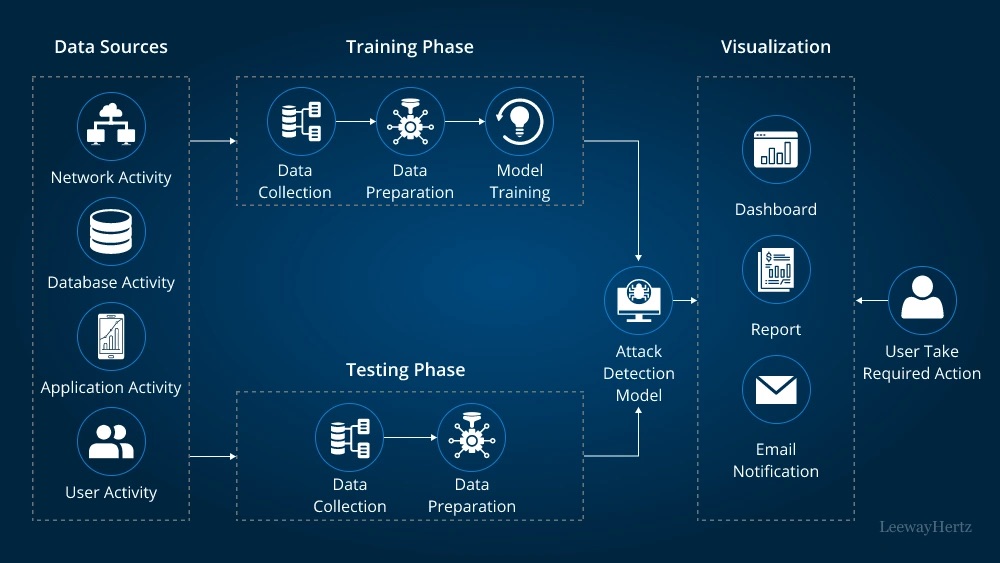
AI placement throughout the service experience needs strategic thinking. Recent studies show mature AI adopters achieved 17% higher customer satisfaction. This proves the positive effects of proper AI integration. Successful organizations create an integrated AI ecosystem that balances automation with human expertise rather than using isolated deployments.

Frontline automation: AI chatbots, voicebots, and IVR with human handoff

AI-powered conversational interfaces now lead customer engagement. These systems respond immediately—a significant factor since 75% of consumers want answers within 5 minutes. AI chatbots handle routine customer queries. They guide users through troubleshooting steps and process simple transactions without human help.

Voice-based engagement has evolved beyond traditional IVR systems. Modern voicebots use natural language processing to understand spoken language. This creates an accessible experience. Some implementations achieve average wait times of just 33 seconds.

Smooth human handoff determines successful implementation. AI systems must recognize complex or emotionally charged conversations. They should transfer these interactions to human agents with full conversation context and history.

Service desk co-pilots: AI-generated responses and KB suggestions

AI works as a powerful co-pilot for service representatives behind the scenes. These systems review support conversations to flag potential problems and help managers coach agents. They suggest responses and find relevant knowledge base articles. This helps agents work faster without quality loss.

The National Bureau of Economic Research found that customer support professionals with AI assistants increased productivity by 14%. AI serves agents with instant information, context, and AI-powered tools. This helps them solve even complex problems quickly.

See a Customer Experience Artificial Intelligence Live Demo — 15 Minutes to First ‘Wow’.

Predictive operations: anomaly detection and proactive outreach

AI helps organizations spot and fix issues before customers notice them. Through predictive analytics, AI systems detect unusual account activity or services about to lapse. They reach out proactively with solutions.

This transforms customer service from reactive support to proactive strategy. To cite an instance, AI predicts potential customer problems and offers solutions early. This substantially increases customer loyalty and satisfaction.

Secure data pipelines: PHI/PII handling and encrypted logging

Data security becomes vital as AI integrates deeper into customer service. Organizations must protect customer data’s integrity, confidentiality, and availability. Healthcare and financial services need proper handling of Protected Health Information (PHI) and Personally Identifiable Information (PII).

Effective security measures must have:

  • Access controls that follow role-based principles
  • End-to-end encryption for data in transit and at rest
  • Continuous monitoring of AI systems
  • Automated redaction of sensitive information
  • Immutable audit logs for compliance verification

Organizations risk HIPAA violations without these protections. Penalties can reach USD 1.90 million per violation category. Customer trust erodes too. Secure AI data gateways now create protected paths between customer data and AI processing systems.

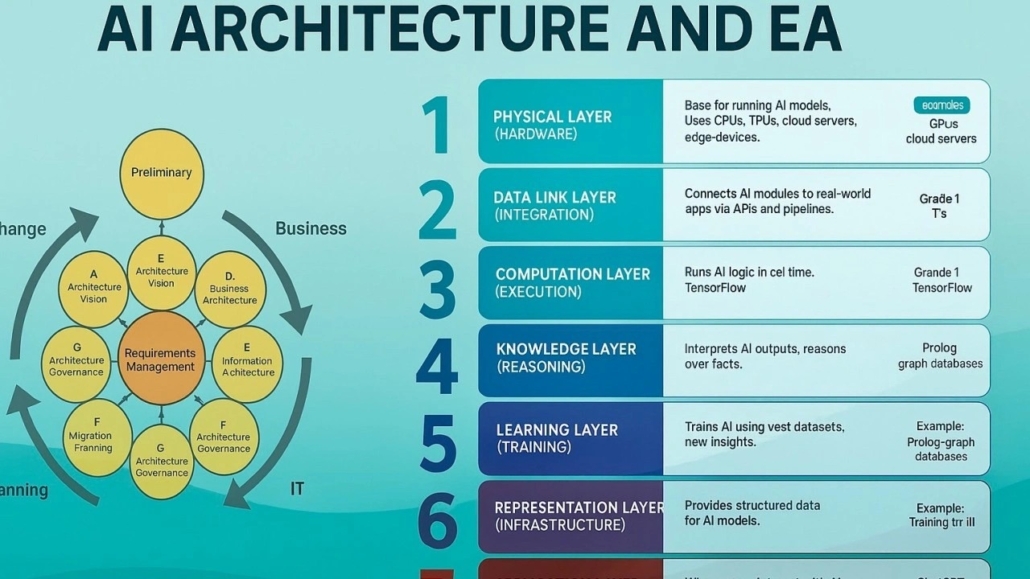
Architecture Blueprint: ‘Secure-by-Design’ AI CX

ai post 2

Image Source: LinkedIn

Organizations need careful planning across three key domains to build a secure AI customer experience architecture. AI adoption has reached 72% of businesses for at least one function. Setting up proper security frameworks right from the start is essential—not an afterthought.

Data governance: redaction, retention, and access boundaries for Customer Experience Artificial Intelligence

Data governance is the foundation for secure AI customer experiences. AI has transformed data governance from a back-office compliance function into a powerful front-line business tool. Organizations should establish clear policies for:

  • Data minimization and redaction: Automated redaction of sensitive information should happen before it enters AI systems
  • Retention periods: Appropriate timeframes for storing customer data based on business needs and regulatory requirements
  • Access boundariesRole-based controls that follow least-privilege principles

Companies must comply with various laws including GDPR and HIPAA, plus emerging AI regulations such as the EU AI Act. This unified approach helps ensure legal bases for data use, stakeholder accountability, and complete risk mitigation.

Model strategy: vendor vs. private models, on-prem vs. VPC

The choice between vendor-provided and private AI models significantly affects security, performance, and cost structures:

FactorCloud AI/Vendor ModelsPrivate/On-Premise Models
Data securityLower security; depends on vendor policiesHighest security; data remains under organizational control
IP protectionReduced protection; risk of training public LLMs on your dataUltimate protection, especially with small Language Models option
LatencyPotentially worse, depending on infrastructureBetter for critical immediate applications
Initial costsLower upfront investmentHigher capital expenditure but can be amortized
Long-term costsPotentially higher for high-volume transactionsMore affordable at scale with high usage

Private models deployed on-premises or in a virtual private cloud give you maximum control over sensitive data. On-premise solutions provide better security, data control, and cost advantages at scale—perfect for industries with strict regulatory requirements.

Integration layer: CRM, ERP, EHR, DMS, telephony systems

The integration layer connects AI capabilities with essential enterprise systems. Strong APIs and middleware allow immediate data exchange between AI systems and:

  • CRM systems: AI-enhanced context personalizes customer interactions
  • ERP platforms: Predictive analytics streamline operations
  • Electronic Health Records: HIPAA-compliant patient interactions become possible
  • Document Management Systems: Secure document summarization and analysis
  • Telephony systems: Conversational AI and voice-based authentication support

Custom AI agents connect with these systems through APIs and middleware tools. This creates smooth data flow in both directions. Such interconnection allows AI to automate tasks using the most current data. Quick and accurate decisions become possible in both customer-facing and operational contexts.

Use Cases by Industry (Ohio-first, National-ready)

Different industries face their own challenges to deliver great customer experiences while following regulations. Smart use of AI can turn these challenges into advantages that put you ahead of competitors.

Automotive: AI scheduling, GLBA-aligned data handling, upsell automation

The FTC’s Safeguards Rule now classifies car dealerships as financial institutions. This means they need resilient infrastructure to protect customer data. Such requirements create new ways to use AI that improve customer experiences.

Smart automotive retailers now use AI to book appointments, send maintenance reminders, and follow up on services. These systems check customer identity automatically while following GLBA rules that protect financial information.

AI platforms can also predict when vehicles need service by looking at usage patterns. This helps reach out to customers at the right time. Dealers see higher service revenue and customers appreciate personalized communication.

“Making the experience better for our customer relies on us having a really tight connection with our dealers—we have to make sure that the handoff of the customer between our systems and process and theirs—is seamless,” notes an industry leader from a global industrial equipment manufacturer.

Healthcare: HIPAA-safe triage, PHI redaction, no-show reduction

Healthcare providers can use HIPAA-compliant AI to handle tasks like scheduling and insurance checks. A pediatric practice that adopted this technology cut appointment booking time by 73% and saved USD 3200 monthly in staff costs.

Successful healthcare AI systems typically include:

  • Protected Health Information (PHI) redaction systems
  • Automated appointment reminders that cut no-shows
  • Natural language processing to sort patients
  • Post-visit follow-up automation

These systems help reduce nurse and employee burnout by handling routine tasks. One real-life example shows how AI-powered healthcare gives instant updates while protecting private information. Patients get important information without talking directly to medical staff.

Legal: secure intake, document summarization, SLA improvement

AI has changed how legal practices handle client intake and case management. Lawyers can quickly understand large case files using document summary tools. Some firms report 14% better productivity with AI assistants.

Law firms now make use of information to check conflicts, simplify client intake, and meet service agreements. These tools keep secure records of client conversations across all channels. This helps maintain confidentiality and give better responses.

Manufacturing: predictive RMA, order status, partner portals

Manufacturing companies use AI to turn returns management into a business advantage. Smart analytics spot potential return merchandise authorization (RMA) issues early. This cuts processing time by up to 40%.

AI-powered tracking systems show customers real-time updates about their orders and shipping. This transparency builds stronger relationships with distributors and reduces service questions.

Digital partner portals with AI handle routine requests automatically. They analyze how customers feel and flag urgent issues quickly. Manufacturers can better keep their supply promises and reduce downtime.

Schedule Your AI CX Assessment — see how we deliver <20-minute response and secure, compliant rollouts.

Risk, Compliance & Trust: The Non-Negotiables

AI implementation in customer experience needs careful attention to compliance and security. AI brings unique risks compared to traditional technologies. Companies need specialized governance frameworks to protect their customers and themselves.

Compliance mapping: HIPAA, GLBA, PCI DSS, NIST/CMMC 2.0

The first step to manage compliance is mapping AI systems to relevant regulations. Different industries face their own requirements:

  • HIPAA controls healthcare information and can impose penalties up to USD 1.5 million per year. Violators might face criminal penalties up to USD 250,000 and 10 years in prison.
  • GLBA keeps financial information safe with fines up to USD 100,000 for each violation. This rule applies to more than just banks—even car dealerships must follow it when handling financing.
  • PCI DSS protects payment card information with monthly penalties from USD 5,000 to 100,000. Companies must use strict controls to handle card data.
  • NIST/CMMC 2.0 offers key security guidelines that are crucial if you handle federal information.

Compliance mapping isn’t a choice—it’s crucial to manage risks. Companies must show how their AI systems meet regulatory requirements through detailed assessments and controls.

AI governance: auditability, bias testing, human-in-the-loop

Reliable AI needs proper governance structures. Companies should establish clear accountability for AI outcomes through:

  • Auditability mechanisms to track model decisions
  • Bias testing protocols to spot and fix algorithmic discrimination
  • Human oversight to ensure people review critical decisions

Research shows concerning AI bias: facial recognition systems make more mistakes with people of color than white individuals. Self-driving cars struggle more to detect people with dark skin. Financial algorithms have charged Black and Latino borrowers higher interest rates.

Companies must create clear data governance processes that focus on transparency and ethical AI use. Without good governance, AI systems could make existing inequalities worse.

Security controls: 24/7 monitoring, zero trust, immutable backups

AI systems need special security measures beyond standard controls:

  • Continuous monitoring with live anomaly detection to spot suspicious activity
  • Zero trust architecture that checks every access attempt whatever the source
  • Immutable backups to keep data safe during security incidents
  • End-to-end encryption for data in transit and at rest

Security must cover the whole AI lifecycle—from development through training to deployment. Companies should use role-based access controls with least-privilege principles and keep detailed audit logs to verify compliance.

Strong security and compliance build customer trust. A full 82% of consumers trust brands more when they show strong data protection. Security and compliance aren’t just about following rules—they’re essential business strategies.

Conclusion

AI has moved beyond theory to become essential for customer experience as we approach 2026. Companies that use AI-powered CX now perform better than their competitors in key areas. Their response times have dropped from minutes to seconds. Support costs are down by up to 30%, while customer satisfaction scores have improved by 15-20%. These numbers paint an impressive picture, but there’s more to the story.

AI turns customer support from a cost burden into a profit center. Companies can spot customers who might leave before they do through predictive analytics and active outreach. They can also find new sales opportunities based on how customers use their products. On top of that, it lets human agents handle complex, valuable conversations while automated systems take care of routine tasks.

Security and compliance must be built into this progress from day one. Of course, companies need reliable data management systems, proper model strategies, and secure integration methods. This security-focused strategy builds trust and protects against strict penalties under HIPAA, GLBA, and new AI laws.

Success depends on smart implementation of frontline automation, service desk co-pilots, and predictive operations with secure data systems in place. Schedule Your AI CX Assessment to see how we deliver <20-minute response and secure, compliant rollouts.

Companies that find the right balance between innovation and security create experiences their customers find both smooth and reliable. Smart leaders see AI as more than just a way to cut costs – they know it’s key to staying competitive in a market where experience matters most. The real question isn’t whether to use AI for customer experience, but how fast you can implement it securely to remain competitive for Customer Experience Artificial Intelligence.

Key Takeaways

AI-powered customer experience is transforming from a cost center into a strategic revenue driver, with organizations achieving measurable ROI through faster response times, improved satisfaction, and reduced operational costs.

• AI can resolve 40-60% of B2B support tickets automatically while reducing response times by up to 97% and cutting interaction costs by 20-30%

• Successful AI implementation requires “secure-by-design” architecture with proper data governance, compliance mapping, and human oversight to maintain trust

• Industry-specific AI applications must balance automation with strict regulatory compliance (HIPAA, GLBA, PCI DSS) to protect sensitive customer data

• Organizations using AI strategically report 17% higher customer satisfaction and can reduce customer churn by up to 20% through predictive analytics

• The key to AI success lies in seamless human handoff capabilities and continuous monitoring rather than complete automation of customer interactions

By 2026, top-performing organizations will distinguish themselves through AI systems that deliver sub-10-second response times while maintaining the security and compliance standards that build lasting customer trust. The competitive advantage belongs to those who implement AI thoughtfully—balancing efficiency gains with human-centered design principles.

FAQs for Customer Experience Artificial Intelligence

Q1. How can AI improve customer experience by 2026? AI is expected to enable near-instant response times (under 10 seconds), provide secure omnichannel capabilities, and deliver measurable ROI. It can enhance customer satisfaction by 15-20%, increase revenue by 5-8%, and reduce cost-to-serve by 20-30%.

Q2. What are the key components of AI implementation in customer service? The main components include frontline automation (chatbots, voicebots, IVR), service desk co-pilots (AI-generated responses and knowledge base suggestions), predictive operations (anomaly detection and proactive outreach), and secure data pipelines for handling sensitive information.

Q3. How does AI transform customer support from a cost center to a revenue generator? AI can automate routine tasks, freeing human agents to focus on complex, high-value interactions. It enables predictive analytics to identify at-risk customers before they churn and creates upsell opportunities based on usage patterns, turning support into a strategic asset for growth.

Q4. What are the compliance considerations when implementing AI in customer experience? Organizations must ensure their AI systems comply with relevant regulations such as HIPAA, GLBA, PCI DSS, and NIST/CMMC 2.0. This includes proper handling of sensitive data, implementing robust security controls, and maintaining auditability of AI decision-making processes.

Q5. How can businesses balance AI automation with human interaction in customer service? Successful implementation involves seamless human handoff capabilities. AI systems should be designed to recognize complex or emotionally charged situations and transfer these interactions to human agents, along with full conversation context and history, ensuring a smooth customer experience.

Mastering the Revolutionary AI Customer Experience with a Human Touch in 2025

Is your business struggling to balance AI efficiency with human connection? You’re not alone. The customer experience world stands at a critical crossroads in 2025, with almost every CX leader betting on AI to improve service — yet only half believe it will actually enhance human connections. This isn’t just a small gap. It’s a massive disconnect threatening businesses everywhere.

In the evolving landscape of AI customer experience, it’s essential to explore how AI customer experience can transform interactions.

In 2025, understanding AI customer experience is more crucial than ever for businesses aiming to connect with their customers.

The integration of AI customer experience and human interaction is essential for building loyalty and trust.

AI customer experience tools must be complemented by the human element to truly resonate with customers.

Companies investing in AI customer experience are reaping significant rewards and enhancing their brand reputation.

Leaders must prioritize AI customer experience while ensuring a balance with interpersonal skills.

In the realm of AI customer experience, personalization remains key to customer satisfaction.

To thrive in this evolving landscape, businesses must leverage AI customer experience while maintaining human empathy.

The future of AI customer experience lies in the synergy between technology and human connection.

AI customer experience requires an understanding of customer emotions to drive engagement.

Enhancing AI customer experience means addressing the human aspects of service delivery.

To master AI customer experience, organizations must foster a culture of collaboration between humans and AI.

The balance of AI customer experience and human touch will define customer interactions in the future.

With a strong focus on AI customer experience, companies can drive significant growth and loyalty.

AI customer experience continues to gain traction as customers demand swift and personalized service.

The numbers tell a shocking story! While 68% of customers love AI chatbots for their lightning-fast responses, employees see a completely different picture. A 2023 TrustID™ survey revealed something alarming: staff view their employers as 188% less empathetic when AI tools arrive without human backup. A lot more concerning!!

Ensuring a seamless AI customer experience involves integrating human support effectively.

AI customer experience strategies must consider both efficiency and personal touch.

By 2026, Gartner predicts 20% of customer service interactions will be handled entirely by machine customers in the AI customer experience realm.

AI customer experience can unlock new potentials for customer engagement and satisfaction.

Understanding the AI customer experience is crucial for adapting to future demands.

Investing in AI customer experience tools is vital for staying competitive.

Leaders who embrace AI customer experience will capitalize on new market opportunities.

AI customer experience is transforming how businesses interact with their customers.

The potential of AI customer experience lies in its ability to personalize interactions.

Exploring AI customer experience can lead to significant improvements in service delivery.

AI customer experience tools provide valuable insights for optimizing customer interactions.

Emphasizing AI customer experience ensures a more responsive service environment.

At CTMS, we know businesses implementing AI for an AI customer experience face a make-or-break decision:

✅ Choose AI purely to cut costs? Expect unhappy customers and burned-out employees.

✅ Balance technology with human touch? Create exceptional experiences that build loyalty.

The journey to enhance AI customer experience involves addressing employee concerns.

Look at UK supermarket chain Booths — they actually increased staff while adding new technology to enhance their AI customer experience. Why? To provide “very high levels of warmth and personal care” alongside their digital innovations.

This article breaks down how AI can enhance (not replace) meaningful human connections, giving you a practical roadmap that delivers both efficiency and empathy in today’s complex customer service landscape.

The AI Optimism Gap in Customer Experience

Identifying gaps in AI customer experience helps in formulating effective strategies.

Clear objectives in AI customer experience initiatives drive measurable results.

Focusing on AI customer experience allows businesses to innovate and grow.

AI customer experience creates pathways for effective customer engagement.

Integrating AI customer experience into your strategy ensures enhanced service quality.

The promise vs. reality of AI in customer experience? It’s not even close. Nearly all CX leaders believe AI will improve customer experiences, yet only three in ten actually use AI frequently in their customer service today. This disconnect isn’t just surprising—it’s a massive roadblock to progress in 2025.

AI customer experience allows for real-time adaptations to customer needs.

AI customer experience is the future of personalized service delivery.

Empowering employees through AI customer experience enhances customer satisfaction.

Why Leaders Believe in AI’s Potential

Customer experience teams have jumped on the AI bandwagon with enthusiasm—over 90% have already adopted AI-powered solutions in some form. Why such excitement?

🔥 AI streamlines routine customer interactions
🔥 It slashes operational costs
🔥 It delivers personalization at scale
🔥 It handles peak support volumes without breaking a sweat

Organizations see AI as the golden ticket to boost both efficiency and customer satisfaction at the same time. For businesses struggling with limited resources, the ability to manage high volumes during busy periods without sacrificing quality makes AI incredibly attractive.

The Slow Pace of Real-World Adoption

Despite all this excitement, actual implementation is crawling along at a snail’s pace. Among companies using AI, less than 10% describe their usage as “mature”. About half admit they’re merely “piloting” their AI initiatives.

Why so slow? Four big roadblocks stand in the way:

  • Data integration headaches (39% of CX leaders call this their biggest challenge)
  • Employee fears about job loss (33% report staff worried about being replaced)
  • Organizations stuck in their old-school ways
  • The tricky balance between robots and human touch

Bridging the Gap with Clear Objectives

AI customer experience provides invaluable insights for strategic decision-making.

Understanding the nuances of AI customer experience is vital for future success.

How do we close this optimism gap? First things first—companies need specific AI goals that align with their broader customer experience goals. Deloitte’s research shows the winners in this space set clear targets that get everyone rowing in the same direction.

AI customer experience aligns technology with strategic business goals.

Building a strong AI customer experience framework paves the way for innovation.

Ultimately, a robust AI customer experience can lead to long-term business success.

Second, start small and win big. Experiment with focused use cases to show value quickly. Beginning with limited, high-impact scenarios builds confidence while keeping risks manageable.

Third, take it step by step. Don’t try to transform everything overnight. Activate AI features gradually, learn what works, and adapt as you move toward more sophisticated implementations.

The path from AI hype to AI success isn’t about having the flashiest technology—it’s about smart strategy and practical implementation. Small wins lead to big victories.

Need help developing your AI customer experience strategy? Set up a quick call to see how CTMS can help you now:

How AI and Humans Create Customer Experience Magic Together

The perfect customer experience doesn’t come from throwing humans at problems or replacing everyone with robots. The magic happens when each plays to their strengths. We’ve worked with hundreds of businesses and found a simple truth: success means knowing exactly where technology shines and where the human touch remains absolutely essential.

Robots Handle the Boring Stuff, Humans Bring the Heart

AI excels at repetitive, data-heavy tasks that would drive any customer service agent to tears. Think about it:

✅ AI chatbots answering “Where’s my order?” for the 500th time that day

✅ Automated scheduling systems handling appointment booking 24/7

✅ Self-service troubleshooting for common technical problems

This frees your human team for what they do best – handling situations where emotions run high and nuance matters. No matter how advanced AI becomes, it simply can’t match a skilled human’s ability to:

  1. Provide genuine empathy during stressful situations
  2. Solve unusual problems requiring creative thinking
  3. Offer reassurance that builds lasting customer loyalty

AI + Humans = Personalization Superpower

Here’s where customer experience gets exciting. Modern AI systems analyze mountains of customer data in milliseconds, identifying patterns no human could ever spot. But that’s just the beginning.

The real customer experience breakthrough happens when human agents receive AI-generated insights about customer history, preferences, and potential needs during the conversation. Now your team can focus on building genuine connection instead of digging through databases.

Want to know what customers love? This combination lets agents spend 34% more time on meaningful conversation and 68% less time searching for information. The results are happier customers and more satisfied employees.

Building Trust Through Transparency

Customers aren’t robots, and they know when they’re talking to one. The data shows 76% of consumers are perfectly comfortable with AI help – but only when they know what’s happening and can reach a human when needed.

Trust requires:

  • Clear identification when AI is handling an interaction
  • Smooth handoffs between AI and human agents (no starting over!)
  • Straightforward explanations of how customer data guides AI recommendations
  • Fair, unbiased AI systems that treat everyone equally

Companies that nail this balance between technology and human connection create customer experiences that feel both lightning-fast and genuinely caring. That’s not just nice to have – it’s the difference between thriving and barely surviving in today’s market.

Need help building your AI customer experience strategy? Book a free consultation today! https://outlook.office365.com/host/4c4ec2e8-4a2c-4bce-8d8f-00fc664a4e5b/bookings

Your People: The Secret Weapon in AI Customer Service

Think AI success starts with amazing technology? Think again! The real backbone of every successful AI customer service implementation is a well-trained, properly supported human workforce. That’s what the research shows – behind every winning AI strategy stands people who know how to make these tools sing.

Turning Your Team Into AI Experts

Getting your customer service team AI-ready isn’t optional – it’s essential! Start with these proven steps:

🔥 First, build a solid foundation of AI knowledge across your team 🔥 Next, provide specialized training for specific applications your business uses 🔥 Finally, develop those irreplaceable human skills like creativity and critical thinking

Where should you get this training? The options are better than ever:

  • Online platforms like LinkedIn Learning and Coursera
  • Specialized institutes like NVIDIA Deep Learning Institute
  • Face-to-face workshops through local universities

The magic happens when your people practice using AI tools in real-world scenarios. That’s where theory turns into results!

Crush Employee Burnout with Smart Automation

Did you know burnout affects 76% of employees at least sometimes? It’s killing productivity and morale across industries. But here’s the good news – smart AI implementation can dramatically reduce this burden by:

✅ Taking over those brain-draining repetitive tasks

✅ Freeing your staff for meaningful, high-value customer interactions

✅ Boosting job satisfaction (89% of employees report higher satisfaction after introducing automation!)

When you automate routine processes like answering FAQs or processing tickets, your customer service reps get a mental break while efficiency soars. This isn’t just good for your team – customers notice the difference too!

Building Your Human-AI Dream Team

Success with AI requires a total mindset shift from control to collaboration. Your managers need to create workflows where what humans do best (empathy!) complements what AI does best (data processing!).

The goal isn’t replacing your people – it’s supercharging them! When AI handles the boring stuff, your team can focus on using their emotional intelligence and communication skills – things no machine can match.

Your customer service agents, armed with AI-powered insight,s become an unstoppable force – creating experiences that are both efficient and genuinely human.

Set up a quick call to see how CTMS can help you now: https://outlook.office365.com/host/4c4ec2e8-4a2c-4bce-8d8f-00fc664a4e5b/bookings

Build Your Future-Ready CX Strategy with AI That Works

Creating an AI strategy isn’t just about buying fancy tech. It demands a thoughtful approach that connects automation to your business goals while keeping that crucial human element front and center.

Match Your AI to Real Customer Experience Goals

Want AI that actually works? Start with clear objectives before shopping for technology. This means pinpointing specific customer service problems that AI can fix. Don’t try to transform everything at once! Pick one area where AI can make the biggest difference based on your business model, industry, and customer type.

Success comes from connecting your AI projects to numbers you can measure. Focus on specific metrics like:

✅ Customer satisfaction scores

✅ Response times

✅ Churn rate

✅ Time to value

✅ Cost to serve

AI customer experience is crucial for companies aiming to boost engagement and loyalty.

One research firm puts it perfectly: “The question to ask is not whether you should use AI, but rather what KPI is most important to move”. This simple shift in thinking makes all the difference!

Find the Sweet Spot Between Robots and Humans

The magic happens when you balance tech with personal connection. The numbers don’t lie – 79% of consumers believe humans will always play a role in customer service. Even 70% of tech-native Gen Z feels the same way!

What’s the winning formula? Use AI for routine questions while saving your human touch for complex or emotional situations. About 49% of customers are perfectly comfortable with AI handling simple tasks like tracking orders. This frees up your team to tackle issues that need empathy and judgment.

Remember – the goal isn’t replacing your people. It’s supercharging them with AI insights that help them serve customers better than ever before.

Create Smart Feedback Loops That Never Stop Improving

AI systems thrive when they’re constantly getting smarter through structured feedback. Set up ways to measure performance against your key metrics so you can quickly spot what’s working and what needs fixing.

Watching your AI performance in real-time lets you make quick adjustments to your customer service approach. This creates what one expert calls a “closed-loop system that serves as a reliable source of truth, guiding your decisions”.

The bottom line? Successful AI needs regular testing, evaluation, and improvement based on both customer feedback and operational data. This cycle of measurement and refinement keeps your AI strategy perfectly aligned with what your customers actually want.

Book a free consultation today to see how CTMS can help you now:

The Future of Customer Service: Humans + AI = Success

Looking toward the future of customer experience, one thing becomes crystal clear: AI is essential but incomplete without human connection. Throughout this article, we’ve shown how AI supercharges efficiency, streamlines processes, and reduces employee burnout. But here’s the truth – the emotional intelligence and empathy that humans bring? Totally irreplaceable.

The numbers don’t lie. Despite almost every company believing in AI’s potential, only a tiny fraction have actually achieved mature implementation. Why? Because successful AI integration needs strategic planning, not just replacing humans with robots. The winners understand a fundamental truth: AI enhances human capabilities rather than replaces them.

🔥 The winning formula combines AI efficiency with human warmth:

  • Let AI handle the routine, repetitive tasks
  • Save human talent for complex, emotional situations
  • Watch both customer satisfaction and employee engagement soar

This balanced approach doesn’t just make customers happier – it frees your team from soul-crushing monotony so they can focus on work that matters.

Tech will continue advancing at breakneck speed. But customer experience will always need those distinctly human qualities – empathy, creativity, and genuine connection. The future belongs to companies that master this perfect harmony between artificial intelligence and human touch.

Set up a quick call to see how CTMS can help you implement this balanced approach now:

The companies dominating customer experience in 2025 and beyond? They’ll be the ones who understand AI works best not as a replacement but as an amplifier of our uniquely human abilities to connect, understand, and care. A lot more!!

AI Customer Experience